
By John Mauldin
Paul Krugman and other notables dismiss the notion of a skills gap, though employers continue to claim they’re having trouble finding workers with the skills they need. And if you look at the evidence one way, Krugman et al. are right. But this week an interesting post on the Harvard Business Review Blog Network by guest columnist James Bessen suggests that employers may not just be whining, they may really have a problem filling some kinds of jobs.
 Unsurprisingly, the problem is with new technology and the seeming requirement that workers learn new skills on the job – you know, like when the student pilot has to take the helm of a 747 in a disaster movie. Perhaps there’s not quite the same pressure in the office or on the factory floor, but the challenges can be almost as complex. Most of us have had the experience of needing to learn completely new ways of doing things, sometimes over and over again as the technology for whatever we’re doing keeps changing.
The proverb about
[Read more…] about Outside the Box: Employers Aren’t Just Whining: The “Skills Gap” Is Real
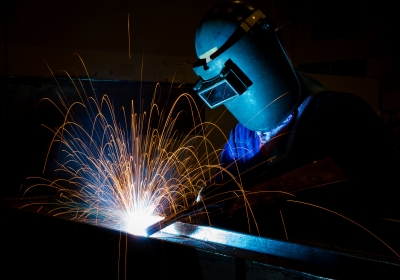 There are many different types of welds for different types of welding jobs. The most common types are arc, electroslag, flux-cored, gas metal-Arc, gas tungsten-arc, metal inert gas (MIG), plasma arc, shielded-metal arc, submerged arc, and tungsten inert gas (TIG) welding. Arc welding refers to the use of an electric current that is transmitted from a welding device to a surface that is being welded. The amp of arc welding first came into existence in 1802 and is the lowest costing welding process. An electroslag is used for angles, while flux-core welding is seen as an alternative to stick welding.
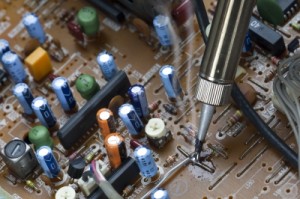 Technical schools–also known as vocational schools, trade schools or career colleges–prepare students for specific jobs that they can pursue after graduation. Occupations taught at technical schools include electronics technician, automotive technician, welder, paralegal, licensed practical nurse,
  At the high end, healthcare jobs require extensive education, including an undergraduate degrees, as well as one to three years in professional school, residency, and internship requirements.
 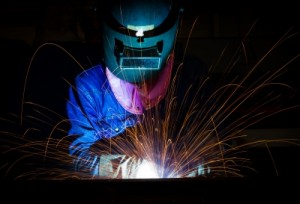 While it is true that some manufacturing jobs are relatively easy, others are not so laid back. At the very least most manufacturing jobs require standing for hours on end, but it may also entail the constant lifting of heavy objects and long hours. This can compound the health problems that factory workers often experience, such as fatigue, exhaustion, and