
Working conditions have improved immensely in recent decades. Much has changed since the Industrial Revolution days, when workers had no choice but to endure perilous machinery, and exposure to toxic chemicals. However, the issues of workplace health and safety are far from resolved. By their very nature, many jobs still expose employees to physical hazards and/or require lots of physical activity. Let’s take a look at which jobs take the biggest physical toll on workers.
Factory work: Overbearing Overtime
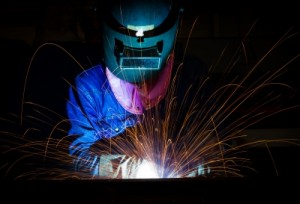 While it is true that some manufacturing jobs are relatively easy, others are not so laid back. At the very least most manufacturing jobs require standing for hours on end, but it may also entail the constant lifting of heavy objects and long hours. This can compound the health problems that factory workers often experience, such as fatigue, exhaustion, and joint problems. Workers in the manufacturing sector are often required to work well over the standard 40 hours per week. Double shifts and working on Sundays are not unheard of at many plants. This situation can take a physical toll on workers over a long period.
Construction: The Fatigue Builds Up
Workers involved with the construction or repair of buildings include carpenters, iron/steel workers, and roofers. These professions require lifting extremely heavy objects, frequently while simultaneously climbing a ladder. In addition, working at heights with the power tools and electrical components present can make for a dangerous job as well. Workers in the construction trades are sometimes given rush jobs and must work more than the standard 40 hour work week and work on week-ends to make up for being unable to work during bad weather.
Fishing: The Most Dangerous Job
Most people think of fishing as a relaxing weekend activity, but it is very different when you do it for a living. The job of a fisherman is extremely rigorous and mainly consists of pulling up fishing nets weighing several hundred pounds. Fishermen may be required to work long hours during peak fishing season in order to secure a bountiful catch. Commercial fishermen statistically have the highest rates of workplace fatality. Injuries due to crashing waves, falling overboard, or capsizing boats are not uncommon, in addition to working with moving machinery, cables and wet slippery decks.
Some career fields will always have a certain amount of danger involved, but it is the responsibility of every employer to minimize the risk and to always look for ways to improve workplace safety. Safety managers make an entire career of addressing workplace safety problems. An EKU Masters in Safety Online is an ideal qualification for anyone interested in a career in workplace safety and emergency management.
You might also like:
- Highly Skilled Worker Shortage in a Recession?
- Five Careers to Put Your Engineering Degree to Good Use
- What Skills are Needed to Become a Plumber?
- Australian Mining Companies – Career Opportunity and Great Income
- Where Should Roofers Head for Work?

Image courtesy of bugphai / FreeDigitalPhotos.net.