
The cost of an education at a four-year college or university in the United States has consistently risen at a rate greater than the overall cost of living. In 2013, the total cost increases (including tuition, books, fees, and room and board) were at their lowest level for both public and private schools. Public school costs “only” rose 3.2 percent, while private school costs “only” increased 3.7 percent. This cost percentage increase was the lowest that it has been since the 1980s; however, annual public school costs are $31,701, while private schools charge an average of $40,917. For most Americans these costs are still well above what they can afford to send their children to college. See: Sky Rocketing College Costs
 Colleges (residential colleges, as distinct from online school) are coming to realize that the rising cost of higher education has priced many moderate and low-income families out of considering college as a first option. Many of these families instead have chosen two-year community colleges, military service, online school or employment as alternatives to a four-year education. A hard look at the economics of college education and the current pricing model presents some interesting questions about the future survival of the traditional college model.
Impact of the Economic Recession on the Cost of College
During the recession, college endowment funds lost [Read more…] about Can Universities Keep Charging an Arm and a Leg?
 A universal concern among skeptics of online curriculum is the seeming lack of interpersonal interaction between peers, students, and faculty. There is doubt that online programs provide the necessary training to prepare students for working as
 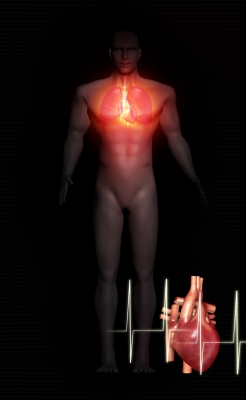 2) Cardiovascular Technologists and Technicians and Vascular Technologists – Cardiovascular technologists and technicians and vascular technologists use imaging technology to help physicians diagnose cardiac (heart) and peripheral vascular (blood vessel) ailments in patients. They also help physicians treat problems with cardiac and vascular systems, such as blood clots. This position only requires an Associate’s degree and the median salary in 2010 was $49,410. Available jobs are expected to grow much faster than average with an estimated 29% increase during the period from 2010 to 2020. One example of this type of position is an EKG Technician, certifications are available from a variety of different schools including
  Your blog can act as your CV to showcase what you can do by highlighting your skills and capabilities. You never know who might be looking at it – perhaps a potential employer or recruiter?
 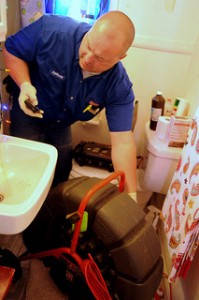 It may not seem like a particularly physically demanding job at first, but plumbers need to have some dexterity and flexibility. Small confined spaces underneath sinks and round the back of appliances means that you might end up stuck in an uncomfortable position for some length of time.
 A teaching assistant is seldom bored. Each day may require various tasks that may involve helping the teacher prep for an activity, one-on-one tutoring, supervising children at a task, or any other number of things that come up during the school day. Both teacher and TA may operate as a team most days; though, TAs rarely must lead lessons and are often subject to the teacher’s direction. However, this arrangement is often what TAs love so much about their work. They aren’t responsible for lesson planning or grading so they can focus their attention primarily on their relationships with the students and finding ways to


 The amount of money that you will make as a tutor can vary, but you can potentially make enough money to cover your bills. In fact, you may be able to get a full-time job as a tutor. A full-time tutor can make anywhere from $10 to upward of $80 per hour, but again, the pay is contingent upon many factors including the subject you tutor, the location and the affluence of your students.
 Arriving on the job a few minutes before starting is important for you to start your shift off on the right foot. Taking the time to organize your station, inventory your supplies assess the environment and get feedback from the other nurses who you are relieving will help you start your shift in a calm, intentional manner.