Do You Know the Tricks to Making Money After You Lose Your Job?
Millions of consumers suffered job loss and unemployment after the recent economic meltdown in the US. The way you manage your financial situation will determine whether a job loss and unemployment is a temporary set back or it is a potentially life-changing disaster. The decisions you make now might have an immense impact on your financial future. Therefore, if you are unemployed then you should start looking for a way out to make money so that you do not incur overwhelming debt and enroll in a debt relief program.
When you are unemployed, you still have to pay rent, utilities, as well as health costs and to top it all somehow afford groceries. Unemployment benefits will not last for long, so there’s little cushion.
There are ways for the unemployed to pick up some additional money and avoid complicating their financial situation. Here are a few financial strategies to help you stay afloat and maintain your pride: Continue reading
Charts
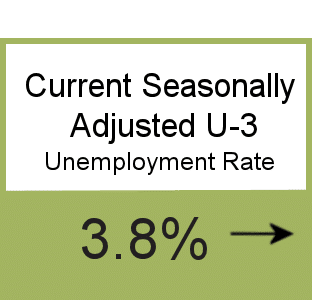
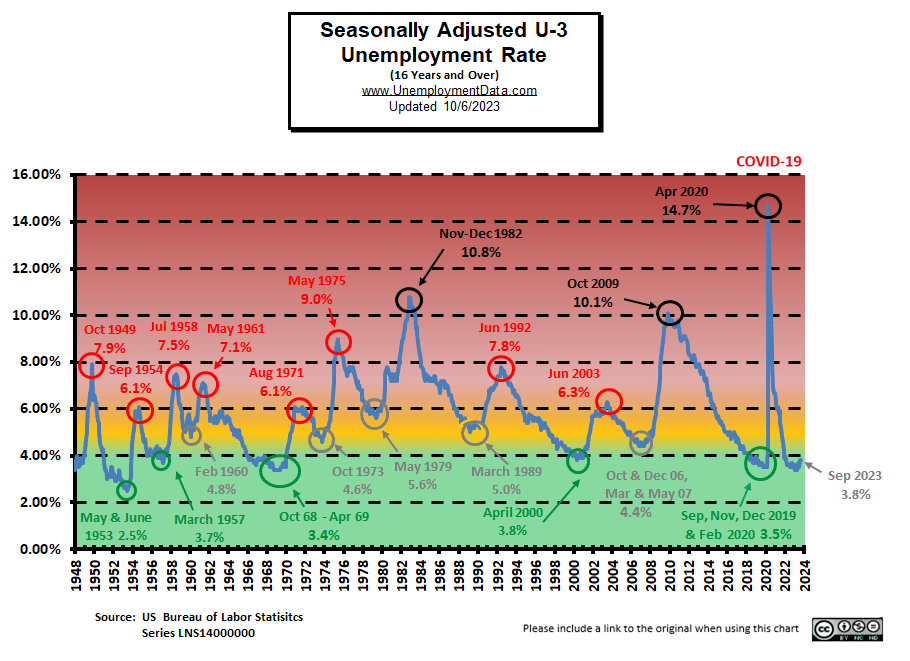
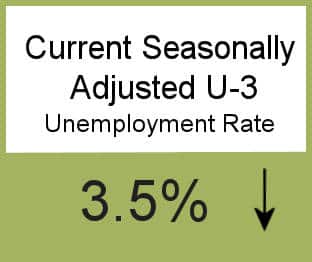
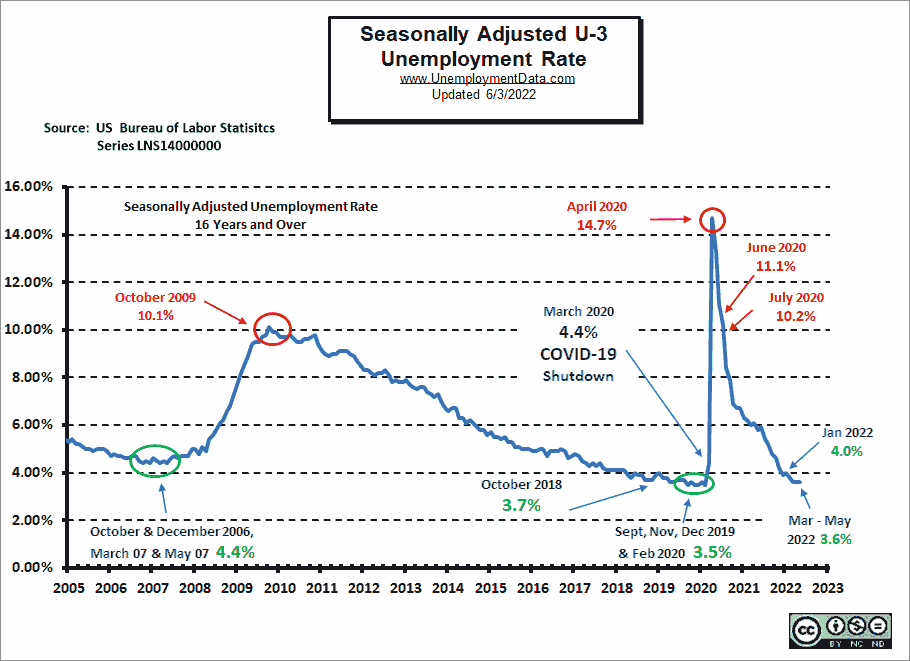
- Unemployment Rate Chart – The seasonally adjusted unemployment rate from 1948 to the present is one of the most watched statistics. Where is it now and should you trust it?
- U-6 Unemployment Rate- U-6 is the broadest measure of unemployment and includes all classes of Unemployed plus those ”marginally attached” and/or part-time for economic reasons.
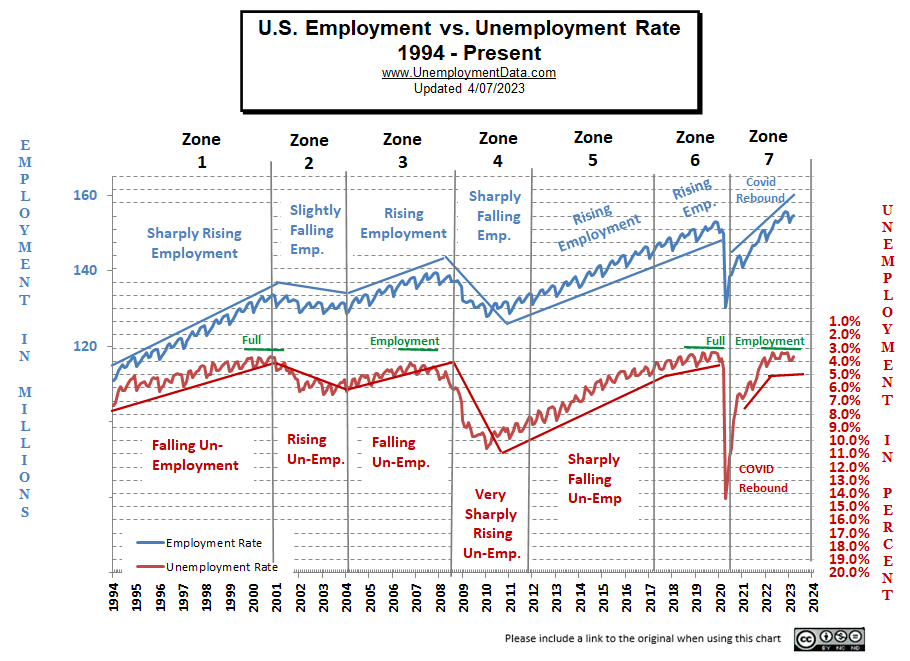
- Current Employment Data - How many jobs are there actually? This chart shows Employment since Jan 2000 and what the current trend is.
- Historical Employment Data Chart- How Many People Are Actually Employed? This chart shows the actual employment rate without all the mumbo jumbo. It gives a clear picture of the employment level in the United States from 1939 to the Present. When employment is rising the ecomomy is growing. When the employment rate levels off or declines times are not so good. Take a look and see how employment rates correspond to recessions over time.
- Misery Index- Created by economist Arthur Okun to help gauge the level of misery the average person is suffering. It is a combination of the inflation rate and the unemployment rate.
- Seasonally Adjusted Unemployment Rate in Table form- If you want to see the actual numbers.
The Difference a Degree Makes in Unemployment Levels
We’re always told by our parents that we need a good education in order to get a good job. And that we will make more money if we have a good education. But these days we hear of unemployed college graduates camping out in New York city and protesting Wall Street because they can’t find jobs. So let’s take a look at the numbers and compare the unemployment rate based on eduation level. In the following chart we will look at four educational levels. The first level are those people with less than a High School education. The second level are those with a High School diploma. The third level are those with some college education or an associates degree. And finally those with a Four Year College Degree.
As we can see from the chart above, obviously the unemployment rate is the highest for those with the least education… as we would expect. Logically if you were an employer you would lay off the least educated employees first because they are more readily replaceable. We can even tell by the numbers the actual difference a high school education makes. The average unemployment rate for the period from 1992 through October 2011 for High School graduates was 5.5% while the average for those who didn’t graduate from High School was 9.2%. So simply by getting a High School education you decreased your odds of being unemployed drastically with the actual difference being 3.7%. But if you look at the chart you will see that a High School education was even more valuable than that. The real benefit of being able to get a job is when jobs are scarce, so even though the average difference was 3.7% during bad times, i.e. when the overall unemployment rate is higher the difference climbs even more.
First let’s look at the difference just a high School education makes. Continue reading
OECD Unemployment Rate Hovering at 8.2% in July
The Organisation for Economic Co-operation and Development (OECD) released its report on unemployment in OECD countries today.
The unemployment rate for the entire OECD area was unchanged for the fifth consecutive month at 8.2% in July 2011. The Euro area unemployment rate was unchanged at 10.0% for the second consecutive month and has hovered around this level since December 2010.
Between June and July unemployment rates for OECD countries displayed very little movement. The single highest rise was for Luxembourg (up 0.3 percentage points to 4.6%) while the greatest fall was in Mexico (down 0.5 percentage points at 5.3%). New August 2011 data for the United States (unchanged at 9.1%) and Canada (up by 0.1 percentage point to 7.3%) confirm this current picture of broad stability in unemployment rates.
Countries where high unemployment rates continue to persist include Ireland (14.5%), Portugal (12.3%), the Slovak Republic (13.4%) and Spain (21.2%).
Around 44.5 million people were unemployed across the OECD area in July 2011, down 2.0 million from July 2010 but still 11.4 million higher than in July 2008.
OECD Unemployment Rates, s.a.
Percentage of labour force
| 2008 | 2009 | 2010 | 2010 | 2011 | 2011 | ||||||||
| Q3 | Q4 | Q1 | Q2 | Feb | Mar | Apr | May | Jun | Jul | ||||
| OECD – Total | 6.1 | 8.4 | 8.6 | 8.6 | 8.5 | 8.2 | 8.2 | 8.2 | 8.2 | 8.2 | 8.2 | 8.2 | 8.2 |
| Major Seven | 5.9 | 8.1 | 8.2 | 8.1 | 8.1 | 7.7 | 7.7 | 7.7 | 7.7 | 7.7 | 7.7 | 7.8 | 7.8 |
| European Union | 7.1 | 9 | 9.7 | 9.6 | 9.6 | 9.5 | 9.5 | 9.5 | 9.4 | 9.4 | 9.5 | 9.5 | 9.5 |
| Euro area | 7.7 | 9.6 | 10.1 | 10.1 | 10.1 | 10 | 10 | 10 | 10 | 9.9 | 10 | 10 | 10 |
| Australia | 4.2 | 5.6 | 5.2 | 5.2 | 5.2 | 5 | 4.9 | 5 | 4.9 | 4.9 | 4.9 | 4.9 | 5.1 |
| Austria | 3.8 | 4.8 | 4.4 | 4.4 | 4.2 | 4.4 | 4.1 | 4.5 | 4.3 | 4.1 | 4.2 | 3.9 | 3.7 |
| Belgium | 7 | 7.9 | 8.3 | 8.3 | 7.9 | 7.2 | 7.3 | 7.1 | 7.1 | 7.2 | 7.4 | 7.4 | 7.5 |
| Canada(1) | 6.1 | 8.3 | 8 | 8 | 7.7 | 7.7 | 7.5 | 7.8 | 7.7 | 7.6 | 7.4 | 7.4 | 7.2 |
| Chile | 7.8 | 10.8 | 8.2 | 8 | 7.1 | 7.3 | 7.2 | 7.3 | 7 | 7.2 | 7.2 | 7.5 | |
| Czech Republic | 4.4 | 6.7 | 7.3 | 7.1 | 7.1 | 6.9 | 6.5 | 6.9 | 6.7 | 6.6 | 6.5 | 6.5 | 6.4 |
| Denmark | 3.4 | 6.1 | 7.4 | 7.4 | 7.7 | 7.6 | 7.3 | 7.6 | 7.6 | 7.3 | 7.4 | 7.3 | 7.1 |
| Estonia | 5.6 | 13.8 | 16.8 | 16.1 | 14.5 | 13.6 | 12.8 | 13.6 | 13.6 | 12.8 | 12.8 | 12.8 | |
| Finland | 6.4 | 8.2 | 8.4 | 8.3 | 8.1 | 8 | 7.9 | 8 | 8 | 7.9 | 7.9 | 7.9 | 7.9 |
| France | 7.8 | 9.5 | 9.8 | 9.8 | 9.7 | 9.7 | 9.7 | 9.7 | 9.7 | 9.7 | 9.7 | 9.8 | 9.9 |
| Germany | 7.6 | 7.7 | 7.1 | 6.9 | 6.6 | 6.4 | 6.2 | 6.4 | 6.3 | 6.2 | 6.2 | 6.1 | 6.1 |
| Greece | 7.7 | 9.5 | 12.6 | 13 | 14.1 | 15 | 15 | 15 | |||||
| Hungary | 7.8 | 10 | 11.2 | 11.1 | 11 | 11 | 10.1 | 10.9 | 10.6 | 10.3 | 10 | 9.9 | 9.7 |
| Iceland | 3 | 7.2 | 7.5 | 7.8 | 8.5 | 7.4 | 6.7 | ||||||
| Ireland | 6.4 | 11.8 | 13.7 | 13.8 | 14.3 | 14.2 | 14.2 | 14.2 | 14.1 | 14.1 | 14.1 | 14.3 | 14.5 |
| Israel(3) | 6.1 | 7.5 | 6.7 | 6.6 | 6.5 | 6 | 5.5 | ||||||
| Italy | 6.8 | 7.8 | 8.4 | 8.3 | 8.3 | 8.1 | 8 | 8.1 | 8.1 | 8 | 8.1 | 8 | 8 |
| Japan | 4 | 5.1 | 5.1 | 5 | 5 | 4.7 | 4.6 | 4.6 | 4.6 | 4.7 | 4.5 | 4.6 | 4.7 |
| Korea | 3.2 | 3.6 | 3.7 | 3.6 | 3.4 | 3.9 | 3.4 | 4 | 4 | 3.6 | 3.3 | 3.3 | 3.3 |
| Luxembourg | 4.9 | 5.1 | 4.5 | 4.4 | 4.5 | 4.3 | 4.3 | 4.2 | 4.3 | 4.3 | 4.3 | 4.3 | 4.6 |
| Mexico | 4 | 5.5 | 5.4 | 5.2 | 5.4 | 5.1 | 5.5 | 5.2 | 5 | 5.2 | 5.5 | 5.8 | 5.3 |
| Netherlands | 3.1 | 3.7 | 4.5 | 4.5 | 4.4 | 4.3 | 4.2 | 4.3 | 4.2 | 4.2 | 4.2 | 4.1 | 4.3 |
| New Zealand | 4.2 | 6.1 | 6.5 | 6.4 | 6.7 | 6.5 | 6.5 | ||||||
| Norway | 2.5 | 3.1 | 3.5 | 3.5 | 3.5 | 3.2 | 3.3 | 3.2 | 3.2 | 3.4 | 3.3 | 3.3 | |
| Poland | 7.2 | 8.2 | 9.6 | 9.5 | 9.6 | 9.4 | 9.5 | 9.3 | 9.4 | 9.5 | 9.5 | 9.5 | 9.4 |
| Portugal | 8.5 | 10.6 | 12 | 12.2 | 12.3 | 12.4 | 12.6 | 12.4 | 12.5 | 12.6 | 12.6 | 12.5 | 12.3 |
| Slovak Republic | 9.5 | 12 | 14.4 | 14.3 | 14 | 13.5 | 13.4 | 13.5 | 13.4 | 13.4 | 13.4 | 13.4 | 13.4 |
| Slovenia | 4.4 | 5.9 | 7.3 | 7.3 | 7.8 | 8.1 | 8.3 | 8.1 | 8.2 | 8.3 | 8.3 | 8.4 | 8.4 |
| Spain | 11.4 | 18 | 20.1 | 20.5 | 20.5 | 20.6 | 20.8 | 20.6 | 20.7 | 20.7 | 20.8 | 21 | 21.2 |
| Sweden | 6.2 | 8.3 | 8.4 | 8.3 | 7.9 | 7.7 | 7.5 | 7.6 | 7.7 | 7.4 | 7.7 | 7.4 | 7.4 |
| Switzerland | 3.2 | 4.1 | 4.2 | 4.5 | 3.9 | 3.9 | |||||||
| Turkey | 9.7 | 12.5 | 10.6 | 10.5 | 9.9 | 9.3 | 9.2 | 9.1 | 9.1 | 9.3 | |||
| United Kingdom | 5.6 | 7.6 | 7.8 | 7.7 | 7.8 | 7.7 | 7.7 | 7.6 | 7.7 | 7.8 | |||
| United States (2) | 5.8 | 9.3 | 9.6 | 9.6 | 9.6 | 8.9 | 9.1 | 8.9 | 8.8 | 9 | 9.1 | 9.2 | 9.1 |
OECD unemployment rate stable at 8.1% in May
The OECD area unemployment rate was steady at 8.1% in May, unchanged for the third consecutive month. The Euro area unemployment rate was also stable at 9.9% for the third consecutive month.
Most OECD countries confirm the general pattern of steady or falling unemployment rates although Austria, Belgium, Denmark, Italy, Luxembourg, Spain, Sweden and the United States recorded small increases in their May unemployment rates. New June 2011 data for the United States show a further rise of 0.1 percentage point to 9.2%.
Countries experiencing continuously high unemployment rates include Ireland (14.0%), Portugal (12.4%), the Slovak Republic (13.3%) and Spain (20.9%).
There were 44.0 million unemployed persons in OECD countries in May 2011, down 2.8 million from May 2010 but still 12.0 million higher than in May 2008.
Selected Unemployment Rates, s.a.
April 2011 – May 2011 (1)
(1) United Kingdom: February 2011—March 2011.
Methodological Notes:
For methodological reasons, harmonised unemployment rates may differ from those published by national statistical institutes. All rates and levels quoted are seasonally adjusted (s.a.).
More methodological notes are available at http://www.oecd.org/dataoecd/21/0/44743407.pdf.
Access data:
The latest unemployment rates for all OECD countries and geographic groupings, as well as historical data, can be downloaded from the OECD online data dissemination facility OECD.Stat Extracts at: http://stats.oecd.org/wbos/Default.aspx?QueryName=251&QueryType=View&Lang=en.
Contacts:
For further information readers are invited to contact the OECD’s Media Relations Division on
(33) 1 45 24 97 00 or e-mail news.contact@oecd.org
For technical questions contact stat.contact@oecd.org
Next release: Tuesday, 13 September 2011
Teen Employment Rate Plunges
Only 1 in 4 Teens is Employed
Teenage employment rates have averaged around 45% since the 1950′s but since 2000 the teenage employment rate has plummeted. Currently less than 25% of teenagers can find a job. But don’t worry the government has a plan to create 50,000 new jobs…
So what is this magic plan you might ask?
Simple Continue reading
OECD unemployment rate remains at 8.2% in March
The OECD area unemployment rate, at 8.2% in March 2011, was unchanged from February following three consecutive monthly decreases. The Euro area unemployment rate was also stable at 9.9%.
For the first time since the start of the financial crisis in 2007, unemployment rates are showing a steady or declining pattern in most OECD countries. Italy, Luxembourg, Spain and Sweden were the only countries whose unemployment rates rose in March. New data referring to April 2011 also show a rise (by 0.2 percentage point, to 9.0%) for the United States.
Countries experiencing continuously high unemployment rates include Hungary (11.9%), Ireland (14.7%), Portugal (11.1%), and the Slovak Republic (13.9%). Spain’s 20.7% unemployment rate means that, since May 2010, over one in every five people in the Spanish labour force has been unemployed and seeking work.
There were 44.4 million unemployed persons in OECD countries in March 2011, down 2.6 million from March 2010 but still 13.6 million higher than in March 2008.
Selected Unemployment Rates, s.a.
February 2011 – March 2011 (1)
Unemployment Rate in OECD Countries Falls in February
OECD unemployment rate records fourth consecutive fall at 8.2% in February
The OECD area unemployment rate fell again in February 2011 to 8.2%, down 0.1 percentage point from January. This was the fourth consecutive decrease, following a period of stability of around 8.5% throughout most of 2010. New March 2011 data show further declines of 0.1 percentage point in the unemployment rates of both the United States (to 8.8%) and Canada (7.7%).
The February data show, for the first time since the recent financial crisis, a pattern of declining or steady unemployment rates for the majority of OECD countries. The unemployment rate fell in the Euro area to 9.9%, the first time back into single digits since December 2009. Austria, Korea, Mexico and Spain were the only countries recording rises in their unemployment rates. Countries still experiencing very high unemployment rates include Hungary (12.0%), Ireland (14.9%), Portugal (11.1%), the Slovak Republic (14.0%) and Spain (20.5%).
There were 44.9 million unemployed persons in OECD countries in February 2011, down 2.1 million from February 2010 but 14.3 million higher than in February 2008.
Selected Unemployment Rates, s.a.
January 2011- February 2011
Unemployment Rate Down in December
January 7, 2011
According to the U.S. Bureau of Labor Statistics the unemployment rate fell by 0.4 percentage points to 9.4 percent in December which is not surprising because of the increase in seasonal workers for the holidays (retail trade employees were up 12,000 in December). But it was not just retail employees that increased. An overall good sign was that total nonfarm payroll employment increased by 103,000 in December. Employment rose in leisure and hospitality by 47,000 in December, indicating consumers are not feeling the pinch as much as in previous months and are spending more on discretionary expenditures. Other increases came in health care with 36,000 new jobs, mining added 5,000 jobs and manufacturing added 10,000 jobs but unfortunately construction employment lost 16,000 jobs. Employment changed little in other major industries.
New Jobless Benefits Claims Rise Despite Downward Trend
Washington — (Associated Press) More Americans signed up for unemployment benefits last week, but the broader trend in layoffs points to a slowly healing jobs market.
The Labor Department says new claims for unemployment aid rose last week by a seasonally adjusted 26,000 to 436,000. The previous week’s claims were revised up slightly to show applications had tumbled by 31,000 to 410,000. The figures are often volatile during the weeks around the Veteran’s Day and Thanksgiving holidays.
Even so, the longer-term trend has shown a downward drift.
The four-week moving average of claims, which smooths volatility, fell to 431,000 last week, a two-year low.
Read more: FoxNews