
 Careers in information technology (IT), computer science, and engineering continue to multiply, providing opportunities for those interested in this high-tech field. While a specialized education is necessary for this line of work, growth, advancement, and earning potential are exceptional, and the industry is anticipated to grow significantly well into the future. Here, we provide unique insights into the IT field that can be of particular interest as you explore your career options.
Career Potential
According to the U.S. Department of Labor Occupational Outlook Handbook, you can explore several career paths in the IT field – a field anticipated to grow by more than 13 percent through 2030. Roles include computer programming, systems analysis, computer network architecture, information security, and web and software development. Salaries range from the mid-$70s to the mid-$100s. While information research scientists are typically required to have a master’s degree, several other IT occupations require only a bachelor’s degree to get started. [Read more…] about Jobs of the Future: Growing Your Career in the IT Field
 In the table below we have compiled information from the U.S. Bureau of Labor Statistics (BLS) on various fields of engineering, median annual salary, job growth and a basic description of what the position entails.
 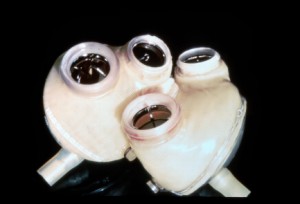 Biomedical engineers design and analyze solutions for problems in the medical and biological fields, with the goal of improving the efficiency of healthcare. Biomedical engineers team up with scientists and chemists to design medical products, such as
 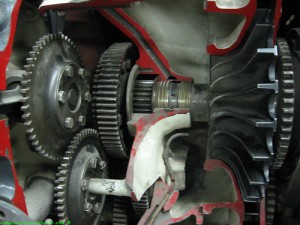 1) Build and Design Quality products – Mechanical engineers all around the world make sure that the public gets the best quality products. Mechanical engineering is usually associated with design principles, systematic technology, problem-solving and other areas that constantly benefit people. Mechanical engineers design, develop, build, and test mechanical devices, including tools, engines, and machines. They analyze situations to determine how a mechanical device might best solve the problem. They work with all types of machines including electric generators, refrigeration and air-conditioning, industrial production equipment, internal combustion engines, and even and steam and gas turbines.